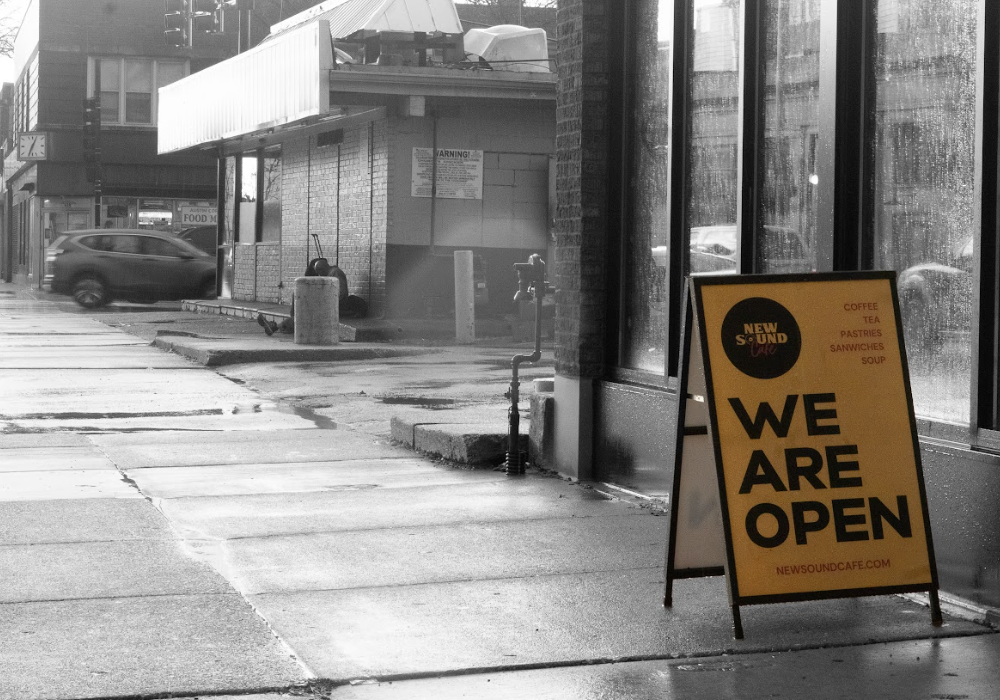
For nearly two decades, an Austin storefront sat lifeless.
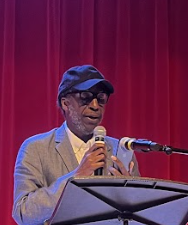
The space, located at 5958 W. Lake St. across from the Austin Green Line stop, was once a hub for gospel music. Lee Johnson, a well-known figure in the community, owned and operated New Sound Records & Tapes there from the 1970s until it closed in 2007.
The storefront was vacant until November 2025, when an Austin couple, Andrew and Hannah Follett, opened New Sound Cafe, a coffee shop that pays tribute to its storied past. The cafe is worth a visit for the coffee, the history and the sense of community that the Folletts are working hard to build.
Hannah Follett said they embarked on the project not because of some lifelong personal desire to run a cafe, but rather out of the need they saw in the community.
“It was not the type of thing we had been dreaming about,” said Follet. “We heard from our neighbors here in Austin that they desired a space to meet people, hang out with people, connect with people, that was in their neighborhood. This building had been empty for 20 years and my family and I would always walk by and say ‘Oh, wow that’s a cool building,’ so when it went for sale it was too good of an opportunity to pass up on.”
However, starting their cafe did not come without its challenges. “It was just a box,” Follett said. “There was absolutely nothing–just four brick walls, a mosaic floor, the old sign and an absolutely stunning exterior facade.”
The renovated cafe includes updated fixtures along with vintage touches. The Folletts restored the original penny-tile floors, re-hung the original New Sound sign inside the shop and decorated it with gospel records.
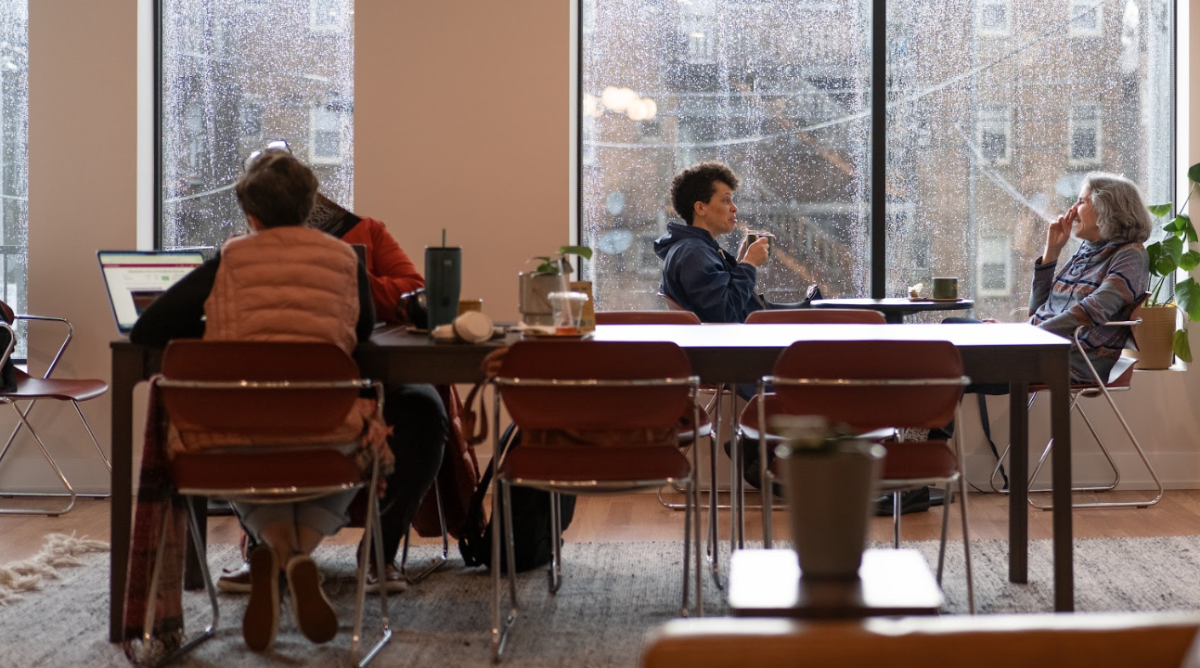
The shop has two levels, with cozy nooks for customers and abundant natural light overlooking the train passing across the street.
Now, gospel music and the smell of baking spill into the street. On a recent visit, local children played in the shop as customers filled the room with conversation and sipped tea and coffee. The menu also includes pastries, sandwiches and soup provided by Trini’s Tasty Pastries, operated by Chicago chef Trinisa Williams.
“The cafe just seemed like it was alive,” said ORPF sophomore Ava Horwitz, who visited the cafe in March. “There were tons of people there, it was great. Everything from the natural light to the coffee itself was just really chill.”
The cafe’s location in Austin raises interesting questions about its role in the community. Austin is a neighborhood that has faced disinvestment over the years, which has eroded the community’s third places, amongst other things. A ‘third place’ is a term used to describe a specifically social place for people to meet new friends and hang out with existing ones outside of home (the first place) or school (the second). Think a bar or the stoop of a home, or a park, or a town square, or a cafe like New Sound.
“Throughout history, there have been these kinds of places where community and discourse are fostered,” said Follett, “and in our day and age the coffee shop has become that. And for us, we want to serve quality food and drink, but we are not trying to be the premier coffee house in Chicago. For us, coffee is just a vehicle. The real goal is to foster a sense of community.”
Third spaces like New Sound Cafe offer something Austin has long been deprived of, a space to simply exist together. In a neighborhood where disinvestment has stripped away gathering places, the cafe represents more than coffee, it’s a restoration of connection.
“I was really excited about it,” said Austin resident and New Sound customer Rani Craigen. “Honestly, we don’t have anything like this here in Austin.” For many residents, that absence has meant leaving their own neighborhood to find spaces to relax, connect or even buy groceries.
“Austin residents often feel like they have to go outside of their community for things,” Follett said. New Sound challenges that pattern, proving that those spaces can, and should, exist and thrive within Austin itself.
At the corner of Lake St. and Austin Blvd, New Sound Cafe sits right on the boundary of Oak Park and Austin. But for a lot of Oak Park residents, it might as well be a wall. It’s too common for people to treat anything east of Austin Boulevard as out of reach or dangerous, even though there’s a whole neighborhood just steps away.
Sure, Austin has its challenges, but Oak Parkers’ perceptions often go far beyond the reality, costing them the chance to experience what the neighborhood offers. Oak Parkers should not draw lines on where you can and can’t go based on village limits. Explore, patronize and value all that Austin has to offer, because if we keep self-isolating in our own communities, we only get further division.
“In the modern era of isolation,” said Follett, “being in close quarters with someone and having a conversation, whether that’s for 15 seconds or for 15 minutes, is good for the soul. Real authentic connection is what will heal our communities and our world.”