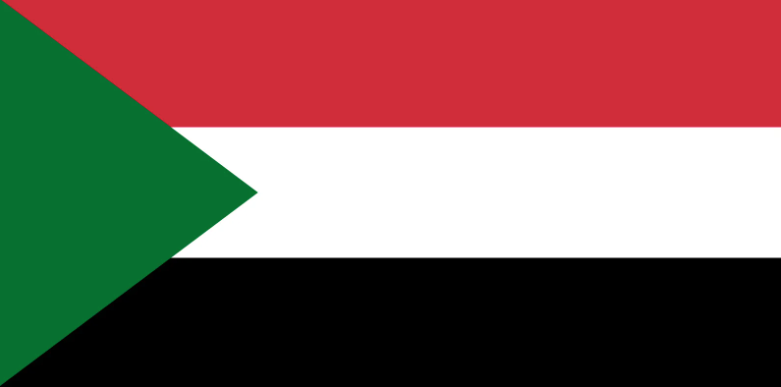
Sudan is living through one of the worst humanitarian crises in our lifetime, and somehow the world is barely noticing.
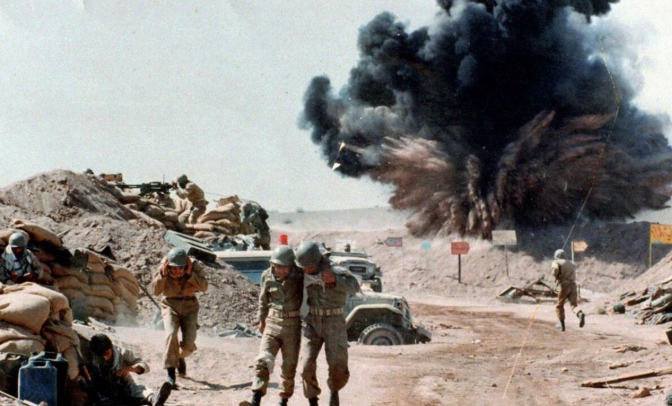
Since April 2023, a violent conflict between the Sudanese Armed Forces and Rapid Support Forces (RSF), has ruined entire communities, forcing millions to flee and leaving countless civilians without food, medical care or safety. What began as a political power struggle has become a nationwide emergency, and in places like Darfur, international observers have said the violence is reaching genocidal levels.
According to the United Nations, Sudan is now the largest displacement crisis on the planet, with more than 10 million people forced from their homes as of late 2025, according to a report by Al Jazeera. Families have escaped by foot, crossing deserts and borders with almost nothing. Those who remain inside the country face disease, famine or direct violence from armed groups.
The crisis reached a horrific turning point on Oct. 26 with the fall of El Fasher, a major city in North Darfur. After RSF fighters took control of the area, survivors described executions, mass killings and sexual violence targeted at specific ethnic groups. Amnesty International collected testimonies from residents who had seen bodies in the streets and people killed while trying to escape. Nathaniel Raymond, director of Yale’s Humanitarian Research lab said in an article in The Guardian, “ It’s beginning to look a lot like a slaughterhouse.” These stories are heartbreaking, but they’re also becoming harder to hear simply because communication networks in Sudan have been destroyed.
Hospitals and clinics have crumbled under bombings, looting or lack of supplies. Doctors Without Borders and the Office of the High Commissioner for Human Rights have documented shortages, babies dying from treatable illnesses, families going days without food and civilians bleeding without care. The Guardian reports that Sudan is currently facing the world’s largest humanitarian crisis, surpassing many conflicts that receive far more media attention.
So why aren’t more people talking about Sudan? Part of the answer is access. Sudanese journalists have been killed, forced into hiding or displaced. A good number of regions have no internet service at all, making it hard for stories to reach the outside world. Another reason is “crisis fatigue.” With so many tragedies going on around the globe, people sometimes shut down emotionally, even more so when a conflict feels distant or complex. But silence, even unintentional silence, allows suffering to continue to go unnoticed.
Awareness won’t end a war, but it does matter. It pressures governments to send humanitarian aid, pushes international organizations to act and ensures that survivors are not erased from global memory. Most importantly, it acknowledges the humanity of millions of people whose lives have been uprooted.
Staying informed is a small but meaningful step. Share verified information, support humanitarian groups when possible and follow Sudanese reporters and organizations. Sudan deserves more than a fading headline. Its people deserve to be seen, heard and supported.